Mold & Moisture Damage Assessments

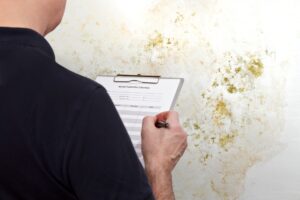
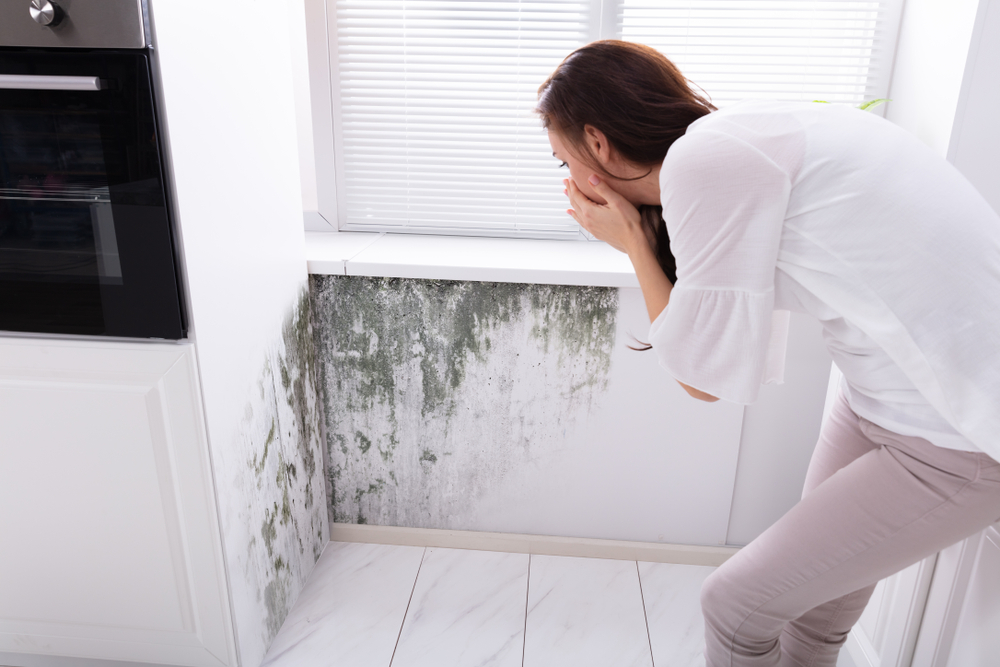
It has been well documented and published in multiple industry studies that dampness and mold growth within a dwelling can negatively impact IAQ/IEQ and pose as a potential health risk to the building occupants, especially to those individuals with increased mold sensitivities or underlying health conditions. Mold growth within a structure is the direct result of a moisture issue; therefore, the first task of a mold assessment is to identify and eliminate the source of moisture. All mold assessments are different and each assessment and sampling strategy are customized to fit our clients needs and budget with are site-specific designed to provide the most meaningful and useful data to answer and/or support a hypothesis in order to evaluate the IAQ and aide in development of a remediation protocol.

Each of our mold assessments are conducted in accordance with ASTM standards for mold assessment and provides accurate, data driven, non-biased answers as to the cause of the mold, extent of damage, and corrective actions for mold remediation and repairs. Our remediation protocols are also based upon our working knowledge of the Institute of Inspection Cleaning and Restoration (IICRC) S520 and R520 documents along with pertinent industry knowledge of accredited and peer reviewed guidelines. We provide a timely response and expedited report deliveries. All of our mold assessors have a minimum of an undergraduate degree, are licensed by the Florida Department of Professional Regulation and have designations from the American Council of Accredited Certification (ACAC). If you suspect that you have a mold problem, please call Levy Building Sciences for an initial cost-free consultation so that we can more accurately answer any of your questions and address your concerns and specific needs.

Listed below are standard tasks that may be performed by the mold assessor prior to, during, and after the mold assessment phase.


Due Diligence

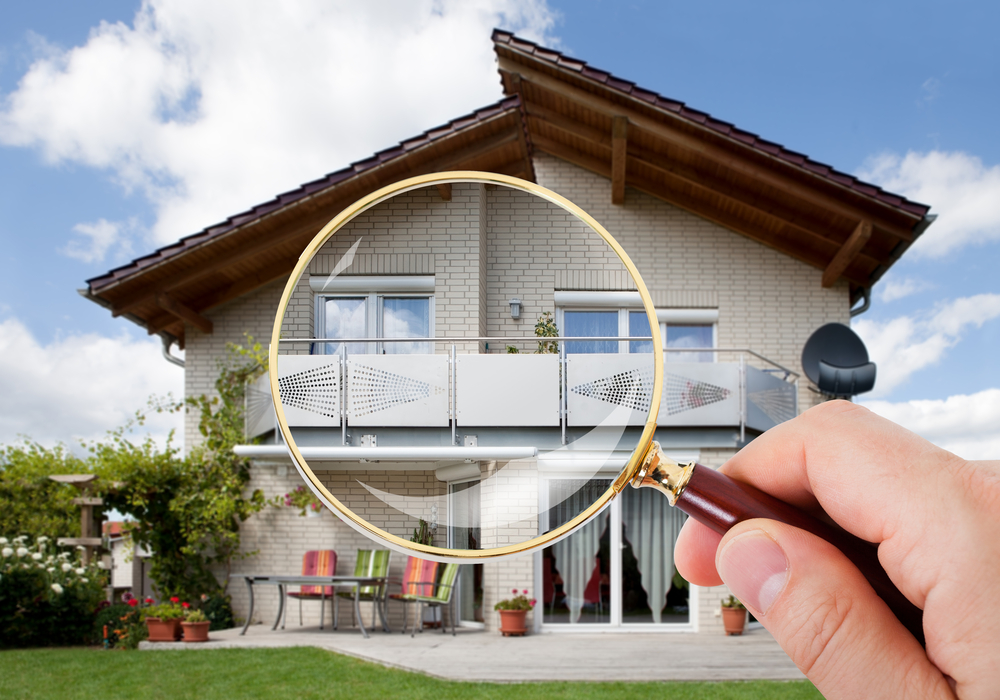
Comprehensive Interior and Exterior Inspection

Detailed Site History & Review

With any mold or moisture damage assessment the first step is collecting a detailed site history of the current problem and any relevant associated documents such as water mitigation documents, repair receipts, or even photographs.  This is the first step in conducting a mold or moisture damage assessment as it will lay the foundation for developing an appropriate scope of work.  

ID and Analysis of Responsible Moisture Sources

Determination and elimination of the moisture source responsible for the mold growth is the first and primary objective of mold assessment. In some cases, this may already be known and established; however, in other cases it may not be known or there may be more than one moisture source. Possible sources may be related to exterior water infiltration, plumbing leaks, HVAC issues etc. During a mold assessment, a comprehensive assessment of the interior and exterior portions of the dwelling will be performed in order to determine the responsible moisture source.

Photographic Documentation

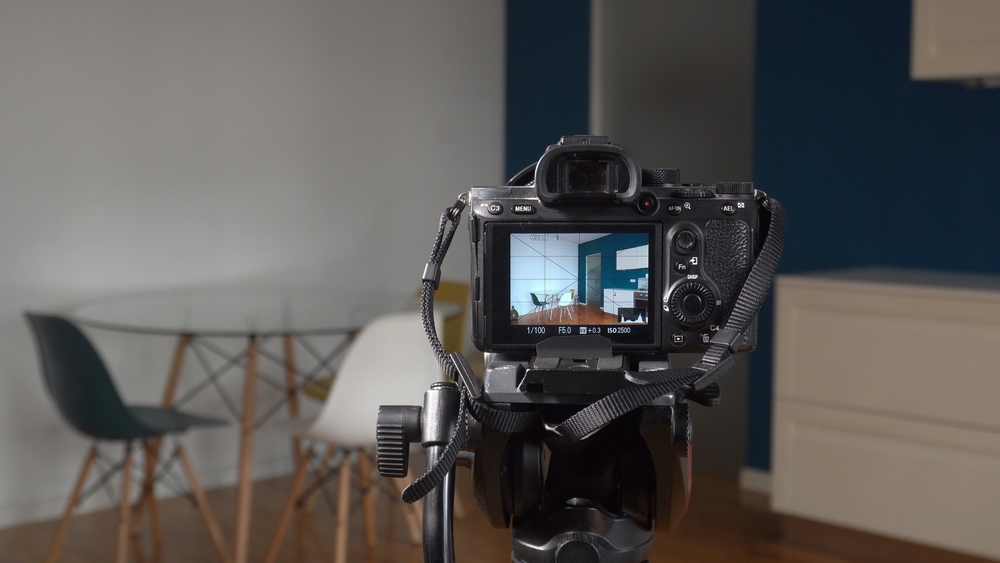
During the mold assessment process, the assessor will obtain detailed photographs of the existing conditions to be included in the report.  Clear photographs of the existing conditions are important as it will aid in clearly depicting the damages and responsible moisture source.  Clear documentation is important for the insurance adjuster if there is a claim involved as well as for the mold remediation contractor in order to understand the conditions and mold remediation process.

Moisture Mapping and Thermal Imaging

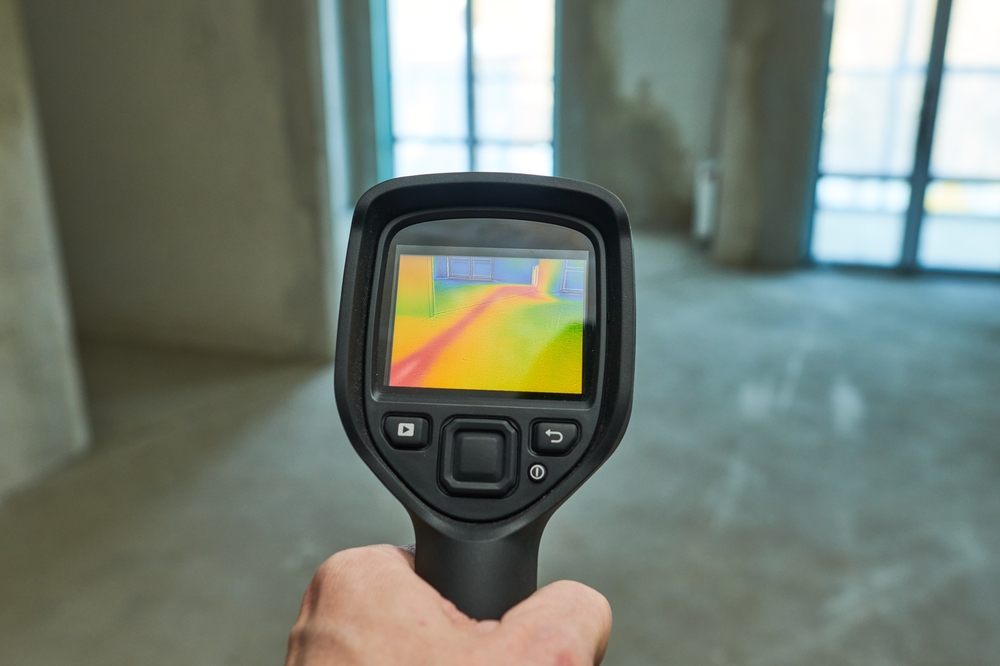
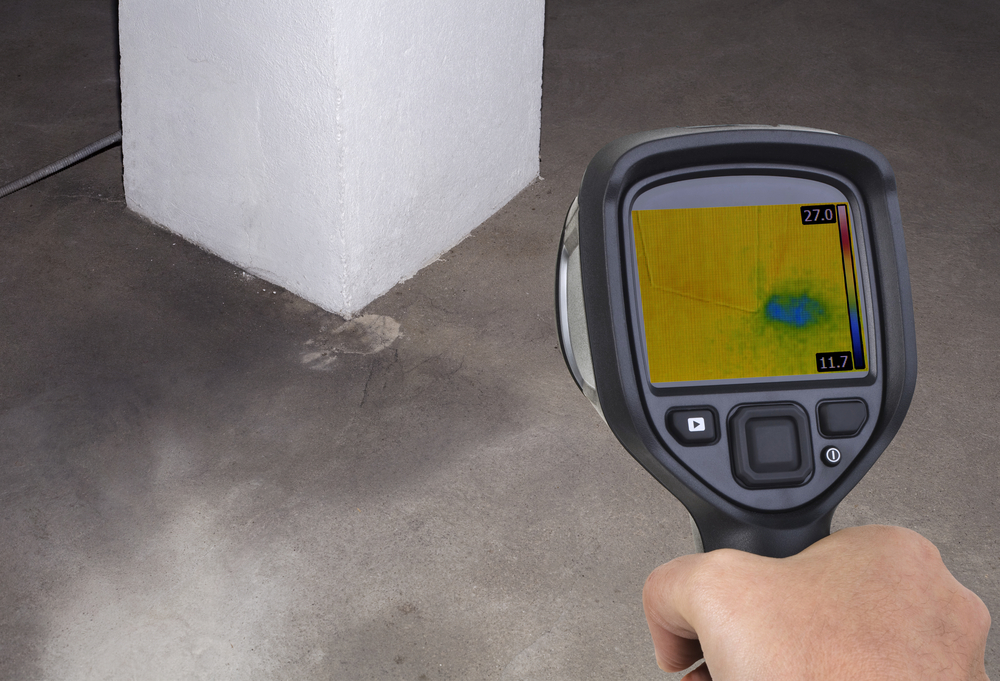
As part of the data collection process, the assessor will utilize a combination of instruments that allow us to measure moisture content in building materials. One instrument used is called a “Protimeter” or in layman’s terms a moisture meter which directly makes contact with the material being measured.  Another instrument that may be utilized or used in conjunction with a moisture meter is an infrared (IR) camera that measures temperature differentials on material surfaces. This meter can help in identifying moisture (and moisture sources) but also provides a tool to diagnose various building performance issues that may be related.  Accurate moisture mapping is an essential task in determining the cause and extent of moisture issues.

Psychrometrics

Psychrometrics can be defined as the field of study that deals with water vapor and deals with the properties of moisture in the air.  In short this is another data collection process in which the assessor will obtain measurements using an instrument called a thermohygrometer that measures various data points such temperature, relative humidity, mixing temperature, dew point, and even vapor pressure.  Obtaining these measurements is also a vital tool in assessing the indoor environment, especially when there is a moisture issue that is related to temperature and/or elevated humidity.

HVAC System

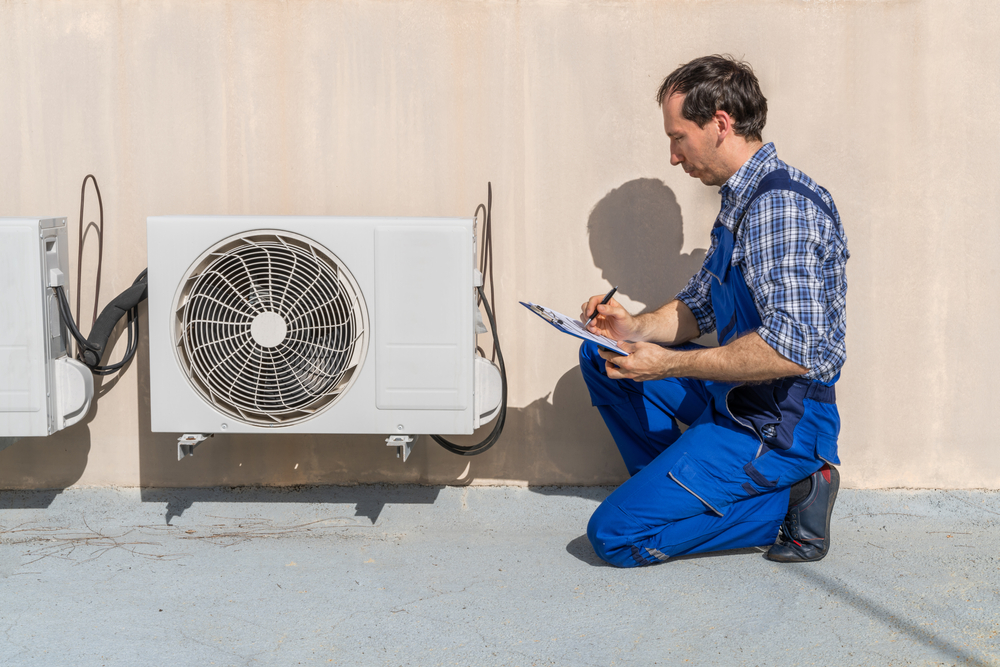
Indoor Air Quality and mold problems are frequently related to the HVAC system.  During the mold assessment, the assessor may conduct a visual inspection of the HVAC system.  This will usually involve inspecting internal components, obtaining temperature & humidity and air flow measurements.  This task will also include discussing any problems and occupant usage habits. Based on this data, the IEP may determine an issue with the HVAC system and recommend an evaluation by a qualified HVAC contractor.

Mold Sampling

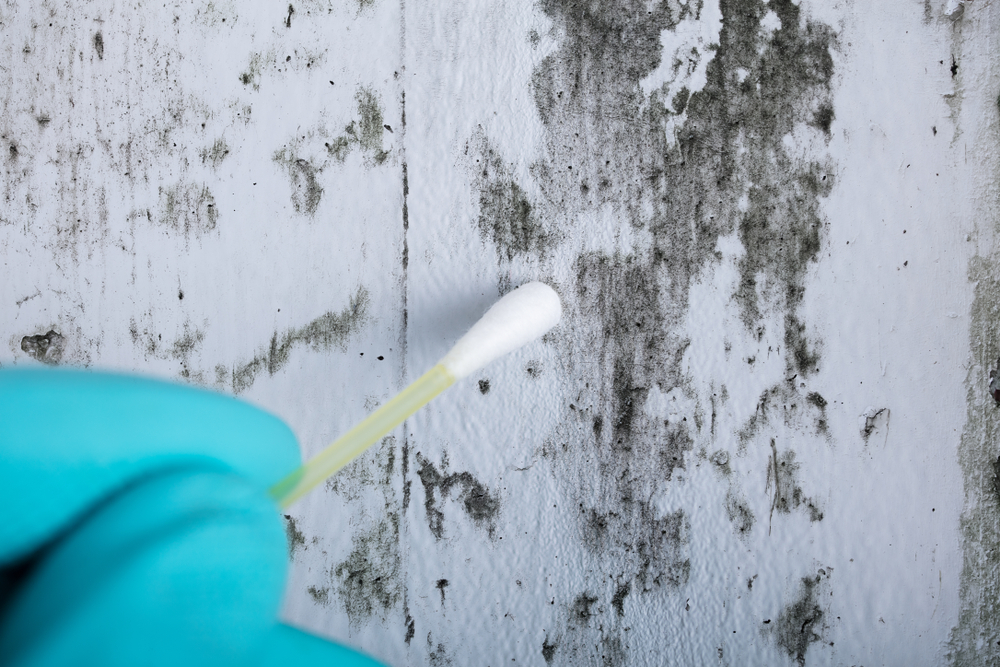
In many mold assessments, mold sampling is not required; however, when appropriate and useful, LBS professionals will develop an appropriate sampling strategy that is cost effective yet produce meaningful data that will assist the IEP in making certain conclusions and recommendations for the scope of mold remediation.  To discuss mold sampling further, please do not hesitate to contact LBS directly at any time to discuss mold sampling in greater detail. 

Remediation Protocol and Recommendations for Repairs

When necessary and based upon cumulative data, professional mold remediation may need to occur.  If that is the case, LBS will develop a comprehensive and site-specific mold remediation protocol that utilizes industry guidance documents along with national protocols for Occupational Health & Safety.  As the mold that is requiring professional mold remediation, LBS will also provide sufficient recommendations to conduct repairs to eliminate the responsible moisture source.

Mold Remediation Contractor Support

Throughout the mold remediation process, there are times where the scope of work may expand, change, or quite simply the remediation contractor may need further guidance or clarification that is outlined in the mold remediation protocol.  LBS believes that the mold remediation process is a team effort with the common goal of a successful mold remediation and reconstruction. While we are an independent third-party, LBS makes the extra effort to be available to provide additional support to the mold remediation contractor in order to ensure any questions are clarified or changes in the scope are understood by all parties. 

Post Remediation Verification (PRV) Inspection

Upon completion of a professional mold remediation project, prior to reconstruction, LBS will conduct what is referred to as a Post Remediation Verification (PRV) inspection.  The purpose of this task is to verify that the responsible moisture source has been eliminated, all of the mold has been removed, appropriate engineering controls were used, micro-cleaning of construction debris and mold spores have been conducted successfully.  All of the criteria for a successful mold remediation project are detailed in the mold remediation protocol.  This task will also include obtaining moisture measurements, psychrometrics, particle counts, and at times microbial sampling. Upon a successful outcome of the inspection, the client or property owner will receive a PRV report of findings which indicates that mold remediation has been completed successfully.  A copy of this document should be kept in the home file for insurance and real estate disclosure purposes.